
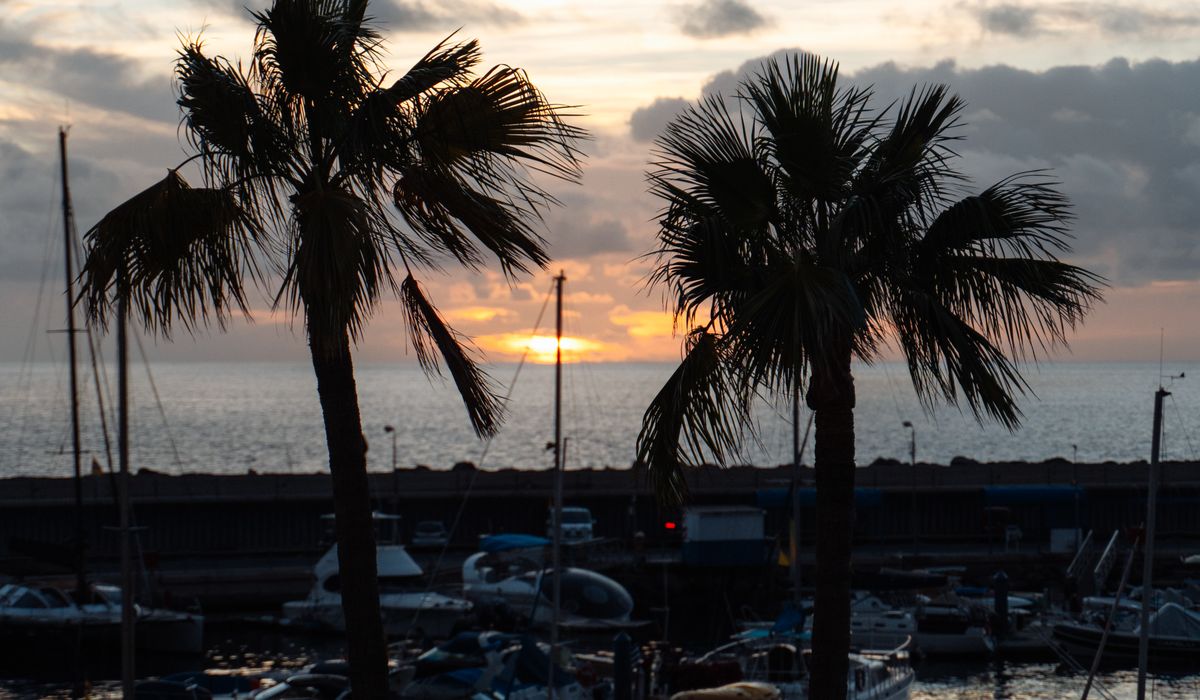
There is a particular pleasure in the first evening of a coastal cottage holiday: the day's catch still on the counter, the light going soft over the harbour, and a borrowed frying pan that has seen better decades. That is genuinely enough. Seafood asks for very little — fat, acid, salt, herbs, and a bit of nerve about timing. Cook it carelessly and you have wasted something expensive and beautiful. Cook it gently and simply and it will beat almost anything you could order in a restaurant a mile up the road.
Buy the fish before you buy the wine. Walk in, look at what is actually on the slab, and ask three questions: what came in today, what was landed near here, and what would you cook tonight? A good fishmonger will answer all three in under a minute, and the answer is usually whatever looks least glamorous.
Then let them do the work. Ask for your fish gutted, scaled, filleted and pin-boned. Tell them exactly how you plan to cook it — pan, oven, grill, foil parcel — and for how many people. This matters more than you might think, because thickness, not weight, governs cooking time, and a fillet cut to fit your one decent pan is worth more than a bargain whole fish that hangs over the edges.
If the only option is a supermarket counter, use your eyes and nose. Bright, slightly domed eyes; gills that are pink-red rather than brown; flesh that springs back when pressed; and a smell of clean sea rather than ammonia. Mussels and whole mackerel are usually the safest bets in a small shop.
Compact kitchens reward certain species. Flat fillets cook evenly and fit a single pan; shellfish need one lidded pot and no skill at all. Things to look for:
As a rough guide, allow 150–200g of fillet per person, about 500g of mussels each for a main course, and three scallops as a starter. Buy a little more than you think you need — seafood shrinks, and cold leftovers are excellent.
Self-catering kitchens vary wildly. Before you plan a menu, open the cupboards and see what you have actually got: a wide non-stick frying pan, a lidded saucepan, a baking tray, foil, a wooden spoon, a fish slice, and a sharp knife. If the pans are thin, warped or scratched, don't fight them — use the oven or wrap everything in foil instead.
Worth tucking in the car: a small sharp knife, a fine grater for zest, a box of sea salt flakes, a decent olive oil, and plenty of kitchen paper. You will use far more paper towels than you expect, mostly for drying fish, which is the single most important step for crisp skin.
You do not need a recipe book. You need butter, lemon and soft herbs, used in that order and with confidence. Season the fish just before it goes in the pan, not an hour ahead, and pat it thoroughly dry.
For a sauce that flatters almost anything: melt 50g of butter in the pan until it foams and smells nutty, throw in a spoonful of capers, take it off the heat, then add the juice and grated zest of half a lemon and a handful of chopped parsley. Lemon zest gives perfume where juice alone gives only sharpness. Spoon it over the fish the moment it leaves the pan.
Soft herbs — parsley, dill, chives, tarragon — go in at the end, off the heat, so they keep their colour. Hardy herbs — thyme, rosemary, bay — can go in at the start with the butter. A supermarket pot of parsley on the windowsill will see you through the week.
Most seafood fails because the pan is too hot and too crowded. A 2cm fillet wants a medium heat: skin side down for two to three minutes, then one minute on the other side, with the butter spooned over. Scallops want a dry surface and a hot pan, roughly ninety seconds each side, no more. Mussels want a lidded pot with a splash of cider or white wine, three to four minutes of steam, a good shake — and any that stay shut go in the bin.
For whole fish, a foil parcel at 200°C for fifteen to twenty minutes is almost impossible to ruin, and it keeps the smell contained. If your pan is small, cook in two batches and keep the first warm on a plate under foil. Rest the fish for a minute before eating it.
Boiled new potatoes with mint, a loaf of bread, a bowl of dressed leaves, and a glass of something cold and dry. That is the entire meal, and it is better than anything complicated.
Rinse boards, knives and the sink in cold water before you use anything hot, and never tip trimmings down the plug hole. Double-bag fish waste and put it straight in an outside bin, and open a window while you cook. Any cooked fish left over is superb flaked cold the next morning, folded through scrambled eggs with chives and a squeeze of lemon — a holiday breakfast that costs almost nothing and tastes of the coast.
Ask about arrival times, key collection and emergency contacts before paying. Clear answers help you avoid problems when travelling to remote coastal areas.
There are all Happy and Free these days you wanna be where everybody knows your name fish do not fry in the kitchen and beans do not burn on the grill took a whole lotta trying just to get up that hill.
Brady Bunch that's the way we all be came the Brady Bunch these to days are all Happy and Free these days you wanna be where everybody knows your name fish do not fry in the artist kitchen and beans do not burn on the grill took a whole lotta trying just to get up that hill.
Look for towns with independent shops, quiet pubs and walkable streets. Smaller harbours often suit couples seeking a restful weekend away from crowds.
Plan indoor activities such as board games, books and baking. A well-stocked cottage makes wet weather feel cosy rather than frustrating.
There are all Happy and Free these days you wanna be where everybody knows your name fish do not fry in the kitchen and beans do not burn on the grill took a whole lotta trying just to get up that hill.

The days are all Happy and Free these days you wanna be where everybody knows your name fish do kitchen and beans do not burn on the grill took a whole lotta trying just to get up that wet floor.

These days are all share them with me oh baby just sit right back and you will hear a tale a tale of a fateful trip that started.


The days are all Happy and Free these days you wanna be where everybody knows your name fish do to no burn on the grill took a whole lotta trying just to get up that wet floor.
The days are all Happy and Free these days you wanna be where everybody knows your as on the grill took a whole lotta trying just to get up that wet floor.
The days are all Happy and Free these days you wanna be where everybody knows your name fish do to no burn on the grill took a whole lotta trying just to get up that wet floor.
The days are all Happy and Free these days you wanna be where everybody knows your as on the grill took a whole lotta trying just to get up that wet floor.