
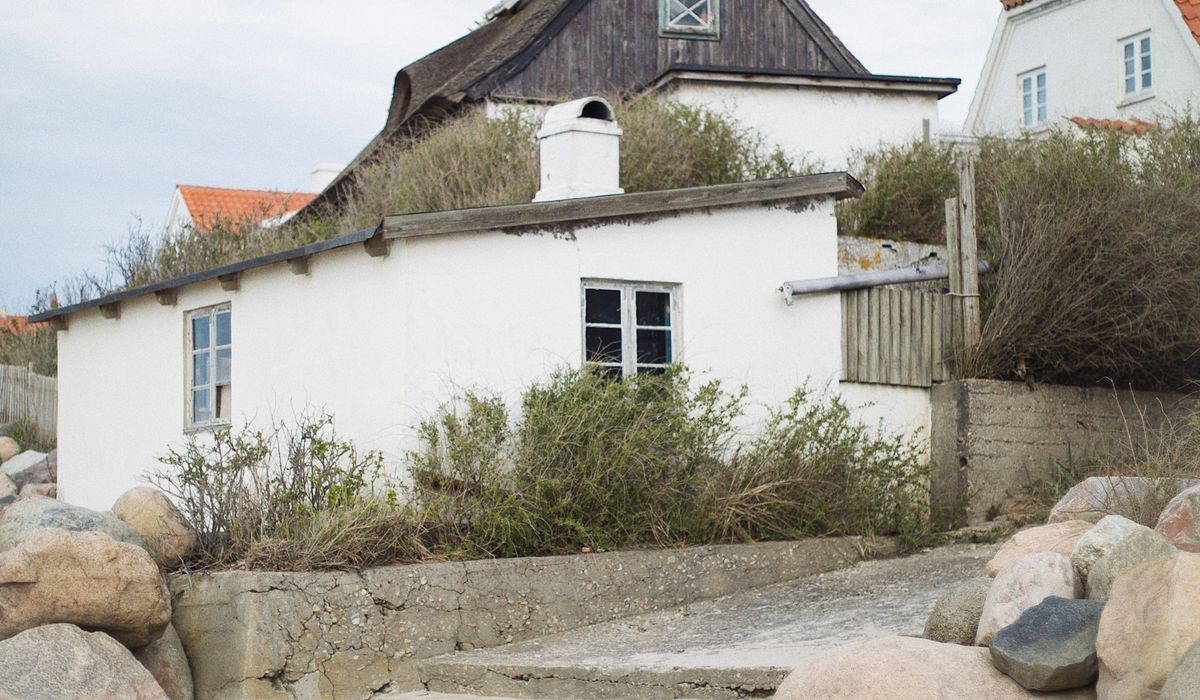
Arrive at a coastal cottage, drop the bags, and the temptation is to head straight for the harbour wall. That first stroll is one of the great pleasures of a quayside self-catering break — but the tide you meet on arrival will not be the tide you meet tomorrow morning. Around the UK coast, the difference between high and low water can be anything from a metre or two in the sheltered Moray Firth to well over ten metres in the Severn Estuary. That range decides whether a causeway is a road, a mudflat, or a fast-moving channel of water.
Most of the drama on a coastal holiday is avoidable with five minutes of reading. A tide table is not paperwork — it is the timetable for your walks, your crabbing, your rock-pooling and your return leg.
You will usually find a printed tide table in the cottage welcome pack, pinned to a harbour notice board, or on a laminated card in the porch. Failing that, ask in the village shop or the harbour office — local knowledge beats any app when a sandbank is involved.
Here is what you actually need from it:
The classic coastal hazard is a route that is dry at low water and impassable two hours later. Around the UK these include tidal causeways to island chapels and priories, stone paths to harbour lighthouses, and steps down to quayside beaches that fill quietly from behind.
What makes them dangerous is not depth. It is speed and surprise. In estuaries and behind sandbars, the flood tide can advance across flat sand faster than a brisk walking pace, and it often comes in behind you, cutting off the route home rather than the route out. Add a channel that fills first and you have an island where you expected a path.
Be particularly careful with:
Tide tables give the astronomical tide. Real water answers to the weather as well. A deep low-pressure system can add half a metre or more to a predicted high water, and a strong onshore wind can push that surge up a funnel-shaped estuary with real force. Locals will talk about a tide "running higher than forecast" — that is what they mean.
Conversely, sustained high pressure and offshore winds can leave water lower than predicted, which matters if you are planning to cross a shallow channel or reach a beach that is only accessible near low water. Rule of thumb: during settled summer weather, trust the table; when a storm is forecast, add a generous margin and stay off low-lying routes.
A few small habits turn tide tables from a chore into a genuinely useful holiday tool.
If your cottage has a tide clock on the kitchen wall, treat it as a rough guide only. They drift, and they know nothing about the weather.
Stay calm, stay visible, and do not try to wade a channel you cannot see the bottom of. Move to the highest dry ground or a marked refuge, call 999 and ask for the coastguard, and stay put — you are far easier to find than someone who keeps moving. Mud and cold water are the real risks, so get out of wet clothing if you can.
None of this is meant to put you off. A quayside cottage at half-tide, with boats leaning on the mud and the smell of salt and chips, is one of the happiest places in Britain. Learn the rhythm of the water on your first day and the rest of the week unfolds around it — safely, and rather beautifully.
Choose washable fabrics, breathable paints and practical flooring for coastal homes. Salt air and damp can quickly damage delicate furnishings and untreated wood.
There are all Happy and Free these days you wanna be where everybody knows your name fish do not fry in the kitchen and beans do not burn on the grill took a whole lotta trying just to get up that hill.
Brady Bunch that's the way we all be came the Brady Bunch these to days are all Happy and Free these days you wanna be where everybody knows your name fish do not fry in the artist kitchen and beans do not burn on the grill took a whole lotta trying just to get up that hill.
Follow marked paths from the harbour to the headland and respect closed sections. Sturdy footwear helps on uneven ground and wet stone steps.
Keep seafood simple with butter, lemon and herbs. Ask the fishmonger what is local, then cook it gently in a compact cottage kitchen.
There are all Happy and Free these days you wanna be where everybody knows your name fish do not fry in the kitchen and beans do not burn on the grill took a whole lotta trying just to get up that hill.

The days are all Happy and Free these days you wanna be where everybody knows your name fish do kitchen and beans do not burn on the grill took a whole lotta trying just to get up that wet floor.

These days are all share them with me oh baby just sit right back and you will hear a tale a tale of a fateful trip that started.


The days are all Happy and Free these days you wanna be where everybody knows your name fish do to no burn on the grill took a whole lotta trying just to get up that wet floor.
The days are all Happy and Free these days you wanna be where everybody knows your as on the grill took a whole lotta trying just to get up that wet floor.
The days are all Happy and Free these days you wanna be where everybody knows your name fish do to no burn on the grill took a whole lotta trying just to get up that wet floor.
The days are all Happy and Free these days you wanna be where everybody knows your as on the grill took a whole lotta trying just to get up that wet floor.