
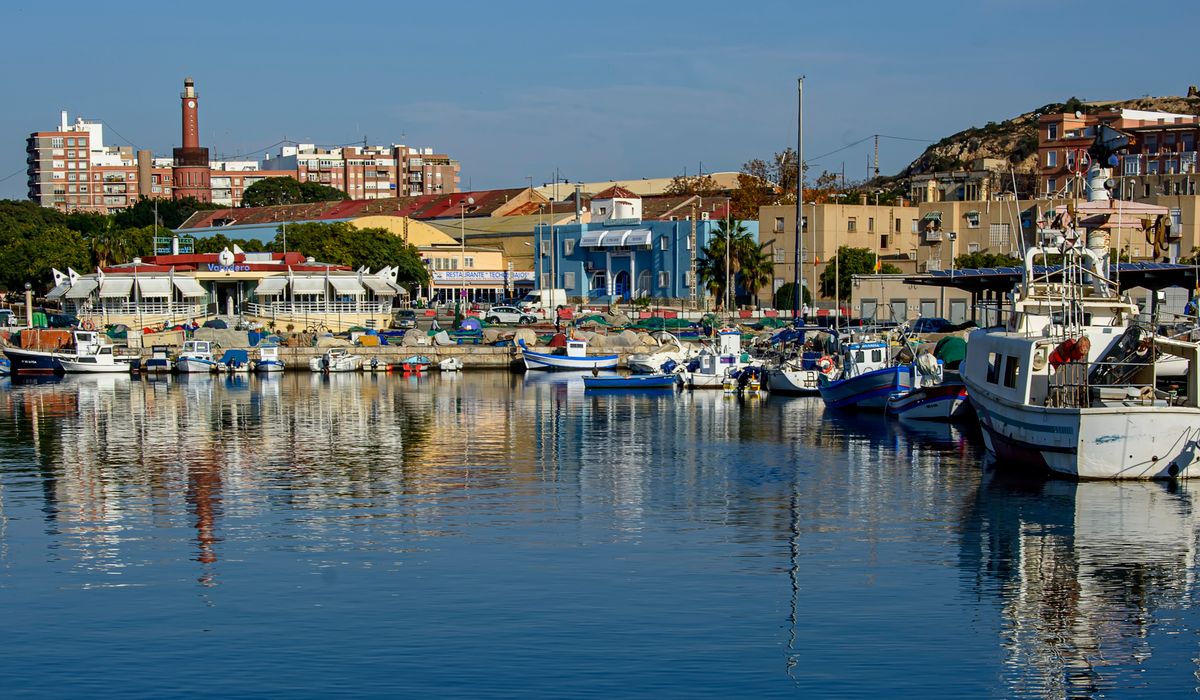
A quayside cottage with a view over working boats is one of the great pleasures of a UK coastal holiday. You get the dawn clatter of a crew loading gear, the smell of diesel and salt, the low thrum of an engine idling against the wall, and gulls arguing over the morning's scraps. It is atmospheric, and it is also entirely functional. The people down there are at work, often on tight tides and thinner margins, and the harbour is their workshop rather than a visitor attraction.
That is not a reason to stay away. It is a reason to arrive with a bit of understanding. Respectful visitors get a warm nod, useful local tips and the feeling of being part of a place rather than simply photographing it. Here is how to enjoy a harbour break without getting in the way.
Harbours are usually covered in information once you start looking for it. Spend five minutes at the entrance reading the notice boards, then keep half an eye out as you walk.
If a sign seems overly cautious, assume it was written after an incident. Harbourmasters rarely add signage for fun.
The slipway is the single most-blocked piece of infrastructure in any harbour. It is the ramp where boats are launched and recovered, often within a narrow window either side of high water. A family picnicking on the slope, a child paddling at its foot or a car parked at its top can delay a launch by an hour — or put someone in the water at the wrong moment.
Never block a slipway, not even briefly. Keep bags, pushchairs and dogs off the slope, and if you are walking down to look at the water, stand to one side and be ready to move. The same goes for bollards and capstans: they are load-bearing equipment, not benches. Sitting on a bollard with a warp under tension is genuinely dangerous, and warps can snap without warning.
Watch for the everyday traffic too. Fish boxes, forklifts, ice deliveries, trailers and pickups reversing without much visibility are all part of a normal morning. Give them a wide berth, make eye contact with drivers where you can, and resist the urge to walk behind a reversing vehicle.
To a visitor, a quayside can look agreeably untidy: coils of rope, stacks of creels, floats, buoys, tarpaulins, outboard motors under covers. To a fisherman or boat owner, it is all inventory and it all has a place. Move a creel stack and you may soak someone's dry kit; trip over a mooring line and you may go in the water.
If you are curious about a boat or a catch, ask. Crews are usually happy to chat once their immediate job is done, and a question asked politely at the right moment goes far further than a comment shouted across the quay.
Harbours are wonderful for children precisely because they are not sanitised. That is also why they need watching. Edges are unfenced, ladders drop straight into deep water, and the difference between a safe step and a two-metre plunge can be a single slippery patch of green weed.
Keep dogs on a lead on quaysides and slipways. There is bait, hooks, fish scraps and aggressive gulls about, and a dog chasing a gull off the edge is a bad afternoon for everyone. With photography, stay out of the way of working areas, ask before photographing people close up, and be mindful that some crews prefer not to appear online. A quiet request costs nothing.
Learn your local tide times on the first day, because they shape everything: when boats move, when the slipway is usable, when the causeway floods. A stretch of quay that is dry and inviting at low water can be underwater within a couple of hours, and harbour waters rise fast.
Be a quiet visitor. Cottage holidays beside a working harbour are best enjoyed with windows open and voices low in the early morning; crews may have been up since four. Take your litter home, including bait bags and dog waste, and use the bins provided where they exist. Park where you are told to park, even if it means a two-minute walk.
Most of all, treat the harbour as somewhere people earn a living. Stand back, watch the rhythm of the place for a day or two, and you will start to understand when it is busy and when it is relaxed. Do that, and you will be welcome back for years — which is exactly the sort of holiday habit worth building.
Confirm pet rules, enclosed gardens and nearby walking routes before booking. Some coastal paths allow dogs but require leads around livestock and wildlife.
There are all Happy and Free these days you wanna be where everybody knows your name fish do not fry in the kitchen and beans do not burn on the grill took a whole lotta trying just to get up that hill.
Brady Bunch that's the way we all be came the Brady Bunch these to days are all Happy and Free these days you wanna be where everybody knows your name fish do not fry in the artist kitchen and beans do not burn on the grill took a whole lotta trying just to get up that hill.
Travel outside peak weeks, cook simple meals and choose a smaller harbour village. Off-season breaks often cost less while offering quieter coastal walks.
Visit the harbour market early for the best choice and ask about seasonality. Bring a cool bag if you plan to walk before returning to the cottage.
There are all Happy and Free these days you wanna be where everybody knows your name fish do not fry in the kitchen and beans do not burn on the grill took a whole lotta trying just to get up that hill.

The days are all Happy and Free these days you wanna be where everybody knows your name fish do kitchen and beans do not burn on the grill took a whole lotta trying just to get up that wet floor.

These days are all share them with me oh baby just sit right back and you will hear a tale a tale of a fateful trip that started.


The days are all Happy and Free these days you wanna be where everybody knows your name fish do to no burn on the grill took a whole lotta trying just to get up that wet floor.
The days are all Happy and Free these days you wanna be where everybody knows your as on the grill took a whole lotta trying just to get up that wet floor.
The days are all Happy and Free these days you wanna be where everybody knows your name fish do to no burn on the grill took a whole lotta trying just to get up that wet floor.
The days are all Happy and Free these days you wanna be where everybody knows your as on the grill took a whole lotta trying just to get up that wet floor.