
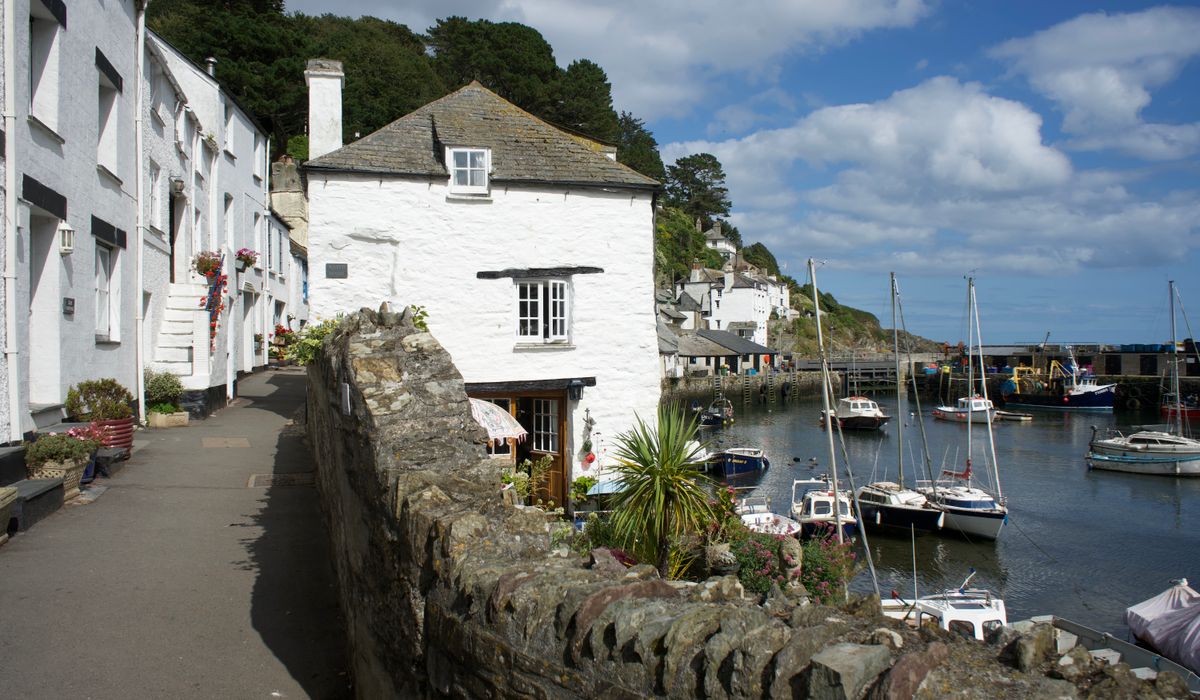
Anyone who has spent a week in a seaside cottage will know the feeling. You step out after lunch under a cloudless sky, stroll along the harbour wall in shirtsleeves, and by half past six you are hunched over a plate of chips wishing you had brought something warmer. The British coast does this to people constantly. Sea air moves quickly, headlands funnel wind, and the temperature can drop several degrees the moment the sun slips behind a cliff or the tide turns.
The good news is that this is entirely manageable. You do not need a suitcase full of heavy gear. You need a small, well-chosen set of thin layers that you can add or shed through the day, plus one genuinely warm mid-layer and one properly windproof outer shell. Pack those and a quayside self-catering break becomes a pleasure whatever the forecast decides to do.
Think of your clothing as a dial rather than a switch. A single thick coat gives you two settings: roasting or freezing. Three or four thin layers give you a dozen. This matters enormously on the coast, where a morning can start misty and cool, turn bright and still by noon, then pick up a brisk onshore breeze by late afternoon.
The classic combination, borrowed from walkers and sailors, is a base layer, a light mid-layer, a warm fleece, and a windproof shell. Each piece is thin enough to fold into a day bag, and together they will handle almost anything a British seaside summer or shoulder season can throw at you.
Add a cheap packable rain jacket if your shell is not fully waterproof. Coastal showers arrive fast and leave fast, and being able to pull something on without abandoning the walk is worth its weight in gold.
Guests often ask why they need a fleece in July. The answer lies in the sea itself. Water takes far longer to warm than land, so around the British coast the sea acts as a giant cold reservoir. On a sunny afternoon, the land heats up and draws air off the water, which feels pleasant. As the sun drops, the land cools quickly, the breeze continues, and suddenly you are standing in air that has passed over a chilly sea.
Add the wind chill of an exposed harbour wall or a beach with no shelter, and an evening that looked mild from the cottage window can feel ten degrees colder in reality. This is why a barbecue on the quay, a sunset walk to the pub, or a spot of crabbing off the pier so often ends with somebody shivering.
Pack for the evening, not just the afternoon. A warm fleece and a windproof layer in the day bag means nobody has to cut the evening short.
Coastal ground is rarely tidy. You will meet wet sand, slippery harbour stones, seaweed-covered slipways, muddy footpaths and the occasional unexpected rock pool. Trainers will cope with a promenade but not much else.
A light rucksack makes all of this easy. Rather than returning to the cottage to change, you simply adjust what you are wearing as the day shifts.
If you are travelling with family or friends, a little coordination saves a lot of luggage space. Self-catering cottages usually have limited hanging room and a washing machine that may or may not be in use when you want it.
Encourage everyone to bring one warm fleece, one windproof jacket and one pair of proper shoes rather than three of each. Pack layers that work together in colour, so any jumper can go with any trousers. A single shared bag of spare hats, gloves and socks for the group is a quietly brilliant idea that nobody regrets.
For a week-long stay, plan on doing one wash mid-week. Coastal air dries clothes quickly on a line, and a small wash keeps the suitcase light on the journey home.
The charm of a British coastal cottage holiday is precisely that the weather keeps you guessing. A misty start, a brilliant afternoon, a bracing evening — all in one day. Dress for that rhythm and you will spend your time exploring quaysides, harbour pubs and clifftop paths rather than nipping back for a coat.
Thin layers, a warm fleece, a windproof shell, and sensible shoes. Get those four right and the rest of the week takes care of itself.
Check what the cottage provides before packing sharp knives, cafetieres or roasting tins. Many owners list equipment clearly but omit smaller everyday essentials.
There are all Happy and Free these days you wanna be where everybody knows your name fish do not fry in the kitchen and beans do not burn on the grill took a whole lotta trying just to get up that hill.
Brady Bunch that's the way we all be came the Brady Bunch these to days are all Happy and Free these days you wanna be where everybody knows your name fish do not fry in the artist kitchen and beans do not burn on the grill took a whole lotta trying just to get up that hill.
Observe safety signs, keep clear of working equipment and never block slipways. Harbour communities value quiet visitors who respect their daily routines.
Confirm pet rules, enclosed gardens and nearby walking routes before booking. Some coastal paths allow dogs but require leads around livestock and wildlife.
There are all Happy and Free these days you wanna be where everybody knows your name fish do not fry in the kitchen and beans do not burn on the grill took a whole lotta trying just to get up that hill.

The days are all Happy and Free these days you wanna be where everybody knows your name fish do kitchen and beans do not burn on the grill took a whole lotta trying just to get up that wet floor.

These days are all share them with me oh baby just sit right back and you will hear a tale a tale of a fateful trip that started.


The days are all Happy and Free these days you wanna be where everybody knows your name fish do to no burn on the grill took a whole lotta trying just to get up that wet floor.
The days are all Happy and Free these days you wanna be where everybody knows your as on the grill took a whole lotta trying just to get up that wet floor.
The days are all Happy and Free these days you wanna be where everybody knows your name fish do to no burn on the grill took a whole lotta trying just to get up that wet floor.
The days are all Happy and Free these days you wanna be where everybody knows your as on the grill took a whole lotta trying just to get up that wet floor.