
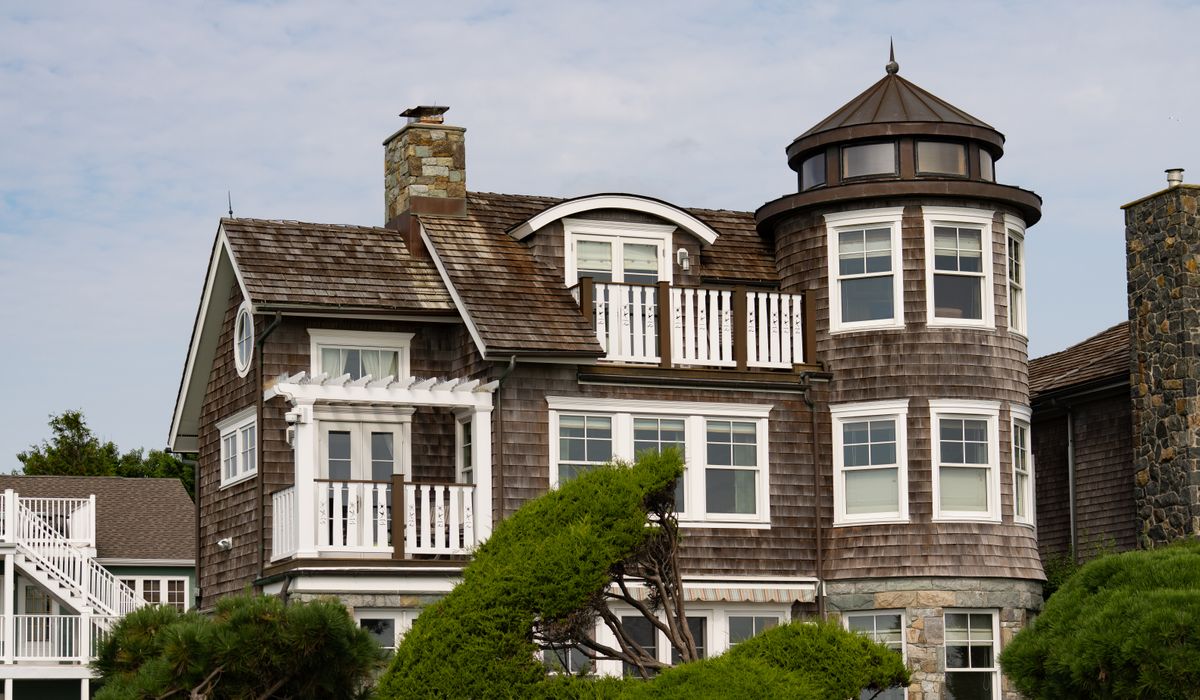
There is something irresistible about a cottage so close to the water that you can hear halyards clinking against masts as you make the first cup of tea of the day. Quayside self-catering has become one of the most sought-after ways to enjoy a UK coastal break, whether you are eyeing the narrow lanes behind a Cornish harbour, a former boat store in Pembrokeshire, or a whitewashed cottage overlooking the cobbles in Northumberland.
The catch, as anyone who has circled a harbour wall three times on a Saturday afternoon will tell you, is parking. Quayside property was built long before the motor car, and the streets that give these places their charm were designed for handcarts, donkeys and fishing nets. Understanding how parking really works before you book will save you a great deal of arrival-day stress.
Owners and agencies vary enormously in how much they explain about parking, and listing pages tend to be optimistic. A short email or phone call before booking clears up almost everything. Ask specifically:
If the answer to any of these is vague, ask for detail. A useful owner will know exactly how many metres it is to the nearest pay and display machine and whether the ticket machines take cards.
Many quayside properties sit inside a residents' parking zone, where permits are issued by the local council to specific addresses and often to specific vehicles. Some owners hold a permit for a single space and can hand it to guests; others hold one that is non-transferable, meaning you cannot legally use it. Always confirm which situation applies. Turning up to find a permit that names someone else's registration is a costly mistake.
Loading bays are a lifeline, but they are not free parking. Most operate with time limits — often twenty minutes to an hour — and enforcement in harbour areas can be brisk, particularly in summer. The sensible routine is to pull up, unload swiftly, then move the car to its proper place before you do anything else. Do not be tempted to leave it while you "just pop to the shop".
Also ask whether the permit covers one vehicle or several. Groups arriving in two cars frequently discover that only one is accommodated, and the second must go into a public car park for the whole week.
Even when a cottage has no parking at all, a council-run car park five minutes away can work beautifully. Look into:
A car park that looks close on a map may involve a flight of stone steps and a steep climb. If anyone in your party has mobility needs, ask the owner to describe the route honestly rather than relying on the distance alone.
Quayside lanes can be genuinely tight — sometimes barely wider than a single car, with stone walls on both sides and no passing places. If you drive a large SUV or a vehicle with a roof box, mention it when booking. Owners know their access intimately and will tell you if your car simply will not fit.
On arrival, it helps to have a plan. Screenshot the directions in case signal drops. Park in the loading bay, unload the bulky items first, then move the car. A folding trolley or a couple of sturdy bags make ferrying luggage along cobbles much easier than dragging suitcases. Keep coins or a card handy for machines, and photograph any ticket or permit display so you can remember where it is.
Finally, consider whether you need the car at all. Many quayside breaks are best enjoyed on foot, with ferries, coastal paths and village pubs within strolling distance. Leaving the car in a long-stay car park for the whole week and walking everywhere is often the most relaxing option of all — and it means you never have to think about parking again until departure day.
Bring waterproof layers, comfortable shoes and a torch for evening walks. Coastal weather changes quickly, even during mild months and short breaks.
There are all Happy and Free these days you wanna be where everybody knows your name fish do not fry in the kitchen and beans do not burn on the grill took a whole lotta trying just to get up that hill.
Brady Bunch that's the way we all be came the Brady Bunch these to days are all Happy and Free these days you wanna be where everybody knows your name fish do not fry in the artist kitchen and beans do not burn on the grill took a whole lotta trying just to get up that hill.
Check local tide tables before planning walks across causeways or beaches. Some harbour paths become unsafe when water covers the route.
Choose washable fabrics, breathable paints and practical flooring for coastal homes. Salt air and damp can quickly damage delicate furnishings and untreated wood.
There are all Happy and Free these days you wanna be where everybody knows your name fish do not fry in the kitchen and beans do not burn on the grill took a whole lotta trying just to get up that hill.

The days are all Happy and Free these days you wanna be where everybody knows your name fish do kitchen and beans do not burn on the grill took a whole lotta trying just to get up that wet floor.

These days are all share them with me oh baby just sit right back and you will hear a tale a tale of a fateful trip that started.


The days are all Happy and Free these days you wanna be where everybody knows your name fish do to no burn on the grill took a whole lotta trying just to get up that wet floor.
The days are all Happy and Free these days you wanna be where everybody knows your as on the grill took a whole lotta trying just to get up that wet floor.
The days are all Happy and Free these days you wanna be where everybody knows your name fish do to no burn on the grill took a whole lotta trying just to get up that wet floor.
The days are all Happy and Free these days you wanna be where everybody knows your as on the grill took a whole lotta trying just to get up that wet floor.