
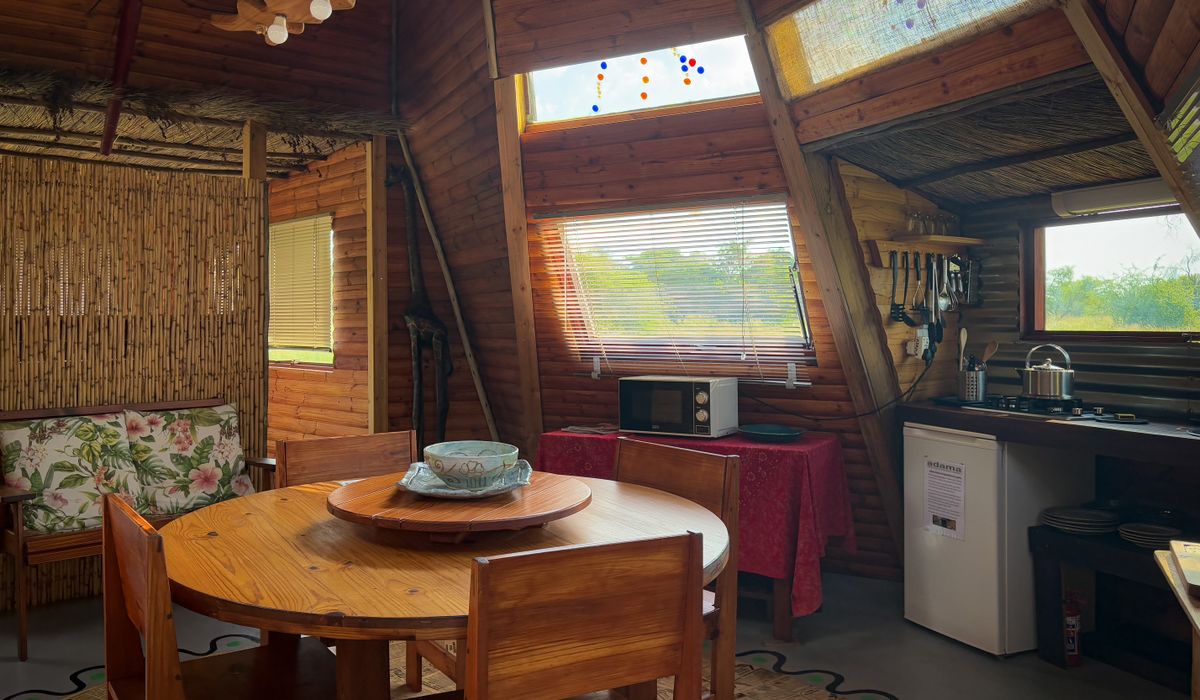
Booking a coastal cottage or a quayside self-catering apartment is one of the great pleasures of a British holiday. You picture yourself unlatching a weathered gate, stepping onto a harbour wall with a mug of tea, and letting the tide set the rhythm of your days. What you probably don't picture is a debate six weeks later about whether a £75 cleaning charge was fair, or why your £200 damage deposit still hasn't reappeared.
The truth is that self-catering cottages are usually run by individual owners rather than large chains, and every owner sets their own terms. Two cottages on the same Cornish quay can have wildly different cleaning fees, deposit amounts and return timescales. Reading the terms carefully before you book — and knowing what questions to ask — will save you money and avoid a sour taste long after the sea air has faded.
Some owners include cleaning in the headline price. Others add a separate cleaning fee of anywhere from £25 to £120, particularly for larger properties or those that accept dogs. Neither approach is wrong, but you need to know which one you're booking.
A cleaning fee should cover the turnover between guests: laundering bedding and towels, cleaning bathrooms and kitchens, vacuuming, and resetting the cottage for your arrival. It should not be used to cover the owner's routine maintenance, deep cleaning that only happens once a season, or wear and tear from previous guests. If a fee seems unusually high for a small cottage, ask what's included. A reasonable owner will explain without hesitation.
It's worth noting that even when a cleaning fee is charged, most owners still ask you to leave the cottage tidy. Cleaning fees cover the professional clean, not the tidying up after a week of sandy boots and crab sandwiches.
Damage deposits on UK self-catering cottages typically range from £100 to £500. Some owners take a refundable deposit by card pre-authorisation, others by bank transfer, and a growing number use a damage waiver instead — a small non-refundable fee that covers accidental damage up to a set limit.
Ask which system applies before you pay. A £25 damage waiver that covers up to £500 of accidental damage can be better value than a £300 deposit tied up for weeks, especially if you're travelling with children or a lively dog. Conversely, if you're a careful couple booking a quiet bolthole, a refundable deposit may suit you better.
Quayside properties sometimes carry higher deposits because of their location. Boats, fishing gear, balconies over water and shared harbour steps all raise the risk of minor mishaps, and owners price accordingly.
This is where the differences between owners really show. Some take a generous view: a chipped mug, a stained tea towel or a cracked plant pot is simply part of running a holiday cottage, and nothing is deducted. Others apply a stricter standard and will charge for anything beyond fair wear and tear.
Fair wear and tear generally means the gradual deterioration you'd expect from normal use — a slightly faded sofa, a scuff on a wooden floor, a wobbly chair leg. Accidental damage is a specific event: red wine on the carpet, a broken window, a burnt worktop, a lost key. The distinction matters because you shouldn't be charged for the former.
Honesty pays. Owners are far more likely to waive a small charge if you tell them about it than if they discover it during the changeover clean.
Return times vary from a few days to a full calendar month. The best owners process refunds within seven working days of your departure. Others wait until the next cleaner's report, which can take longer in peak season when changeovers are back-to-back.
Ask in advance: "When will my deposit be returned, and how?" Bank transfers are usually quicker than cheques, and card pre-authorisations should release automatically within a set period if no claim is made. If you haven't heard anything after the stated timescale, a polite email usually prompts action. Keep it friendly — a firm but courteous nudge works far better than an angry one.
A few minutes of homework protects your wallet and your peace of mind. Before confirming any coastal or quayside cottage, check the following:
If the answers aren't clear in the listing, ask before you pay. A good owner will welcome the questions, because they'd rather explain their terms upfront than deal with a dispute later. Get this right and you can get back to the important business of choosing which harbour to wake up beside.
Try smoked fish, local eggs, fresh bread and seasonal fruit. Simple breakfasts taste better when enjoyed slowly before a day outdoors.
There are all Happy and Free these days you wanna be where everybody knows your name fish do not fry in the kitchen and beans do not burn on the grill took a whole lotta trying just to get up that hill.
Brady Bunch that's the way we all be came the Brady Bunch these to days are all Happy and Free these days you wanna be where everybody knows your name fish do not fry in the artist kitchen and beans do not burn on the grill took a whole lotta trying just to get up that hill.
Drive slowly, fold mirrors and check for pedestrians near blind corners. Parking is often easier on the outskirts than beside the harbour.
A quay view offers boats, activity and harbour lights. A sea view brings open horizons but may feel exposed during stormy or windy weather.
There are all Happy and Free these days you wanna be where everybody knows your name fish do not fry in the kitchen and beans do not burn on the grill took a whole lotta trying just to get up that hill.

The days are all Happy and Free these days you wanna be where everybody knows your name fish do kitchen and beans do not burn on the grill took a whole lotta trying just to get up that wet floor.

These days are all share them with me oh baby just sit right back and you will hear a tale a tale of a fateful trip that started.


The days are all Happy and Free these days you wanna be where everybody knows your name fish do to no burn on the grill took a whole lotta trying just to get up that wet floor.
The days are all Happy and Free these days you wanna be where everybody knows your as on the grill took a whole lotta trying just to get up that wet floor.
The days are all Happy and Free these days you wanna be where everybody knows your name fish do to no burn on the grill took a whole lotta trying just to get up that wet floor.
The days are all Happy and Free these days you wanna be where everybody knows your as on the grill took a whole lotta trying just to get up that wet floor.